AI Fridge Camera
Project Overview
I am developing an AI-powered kitchen management system to address household food waste, a significant global environmental challenge. This system utilizes computer vision technology to automatically detect and log food items entering and exiting a refrigerator, creating a comprehensive digital inventory with timestamp tracking.
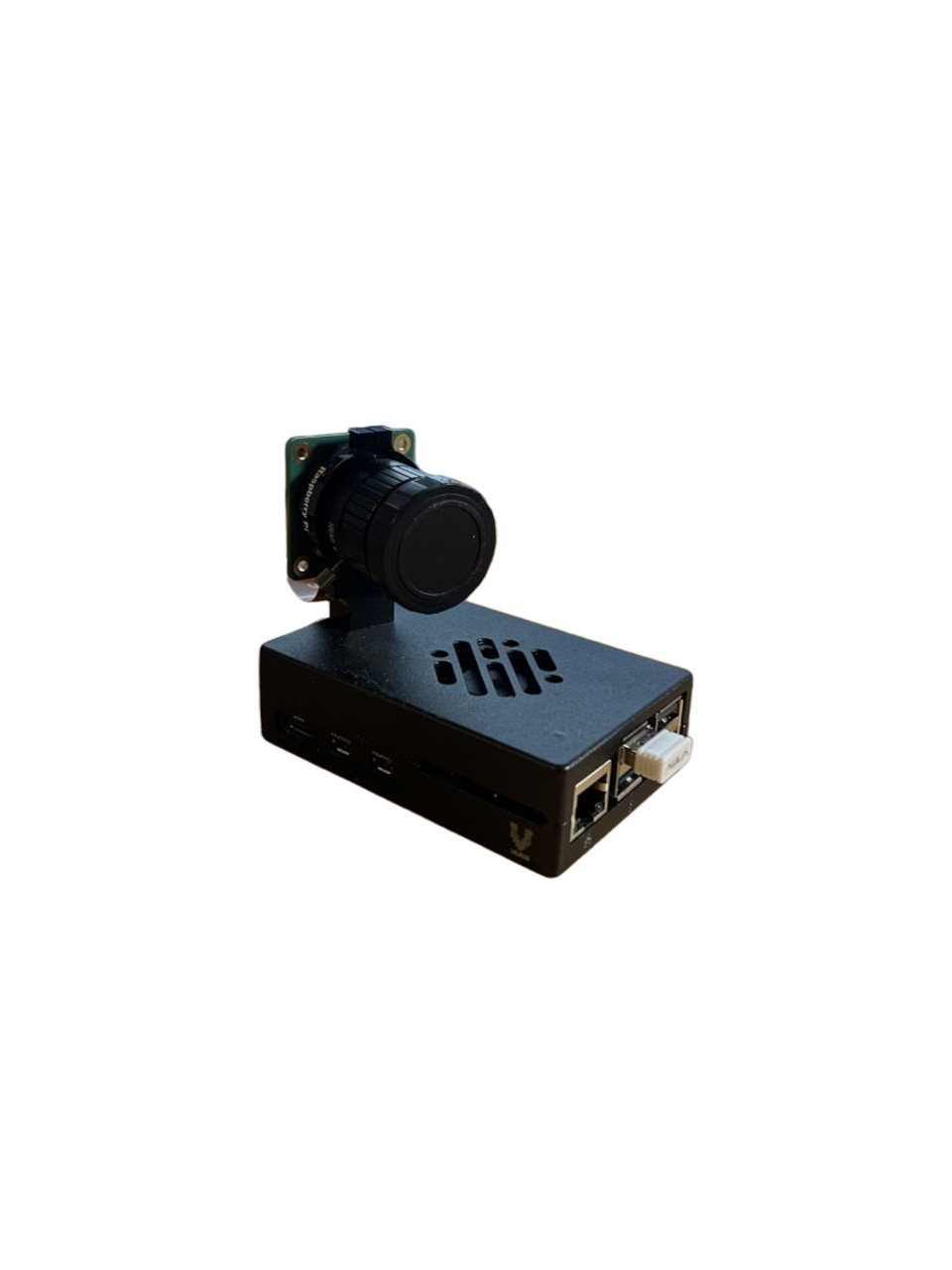
The technical implementation combines a camera module with OpenAI's computer vision capabilities to accurately identify food items in real-time. The system employs a custom algorithm that tracks item freshness based on entry dates and typical shelf life, then proactively generates recipe recommendations that prioritize ingredients approaching expiration.
This ongoing project demonstrates application of artificial intelligence to practical sustainability challenges. By providing actionable information about available ingredients and suggesting creative ways to use them, the system aims to significantly reduce household food waste while simplifying meal planning for users.
The Challenge
Food waste is a major environmental and economic problem. People often forget what's in their fridge, leading to expired food and unnecessary grocery purchases. Manually tracking inventory is tedious and rarely maintained consistently.
The Solution
An automated camera system that uses computer vision to identify food items as they enter and exit the fridge. The AI tracks freshness, sends expiration alerts, and suggests recipes based on available ingredients, making food management effortless.
Technical Implementation
Hardware Components
- Raspberry Pi with camera module
- Motion detection sensors
- LED indicators
- Power management system
AI & Vision
- OpenAI Vision API
- Real-time object detection
- Food item classification
- Freshness tracking algorithm
Key Features
- Automatic inventory tracking
- Expiration date predictions
- Recipe recommendations
- Mobile app integration
Software Stack
- Python for backend logic
- OpenCV for image processing
- SQLite for data storage
- Flask for web interface
Environmental Impact
Food waste contributes significantly to greenhouse gas emissions and represents a massive economic loss for households. By helping users track and utilize their food inventory more effectively, this system has the potential to reduce household food waste by up to 30%, saving both money and environmental resources.
The recipe recommendation feature encourages creative cooking with available ingredients, reducing unnecessary grocery trips and promoting sustainable consumption patterns. This project demonstrates how AI and IoT can be applied to solve real-world environmental challenges.
Key Learnings
This project taught me valuable lessons about integrating hardware and software systems, particularly the challenges of reliable computer vision in varying lighting conditions. I learned to optimize API usage to balance accuracy with cost-effectiveness, and developed strategies for handling edge cases in food identification.
Working on a sustainability-focused project reinforced my interest in using technology for social good. The experience also improved my skills in embedded systems programming, real-time data processing, and user experience design for IoT devices.